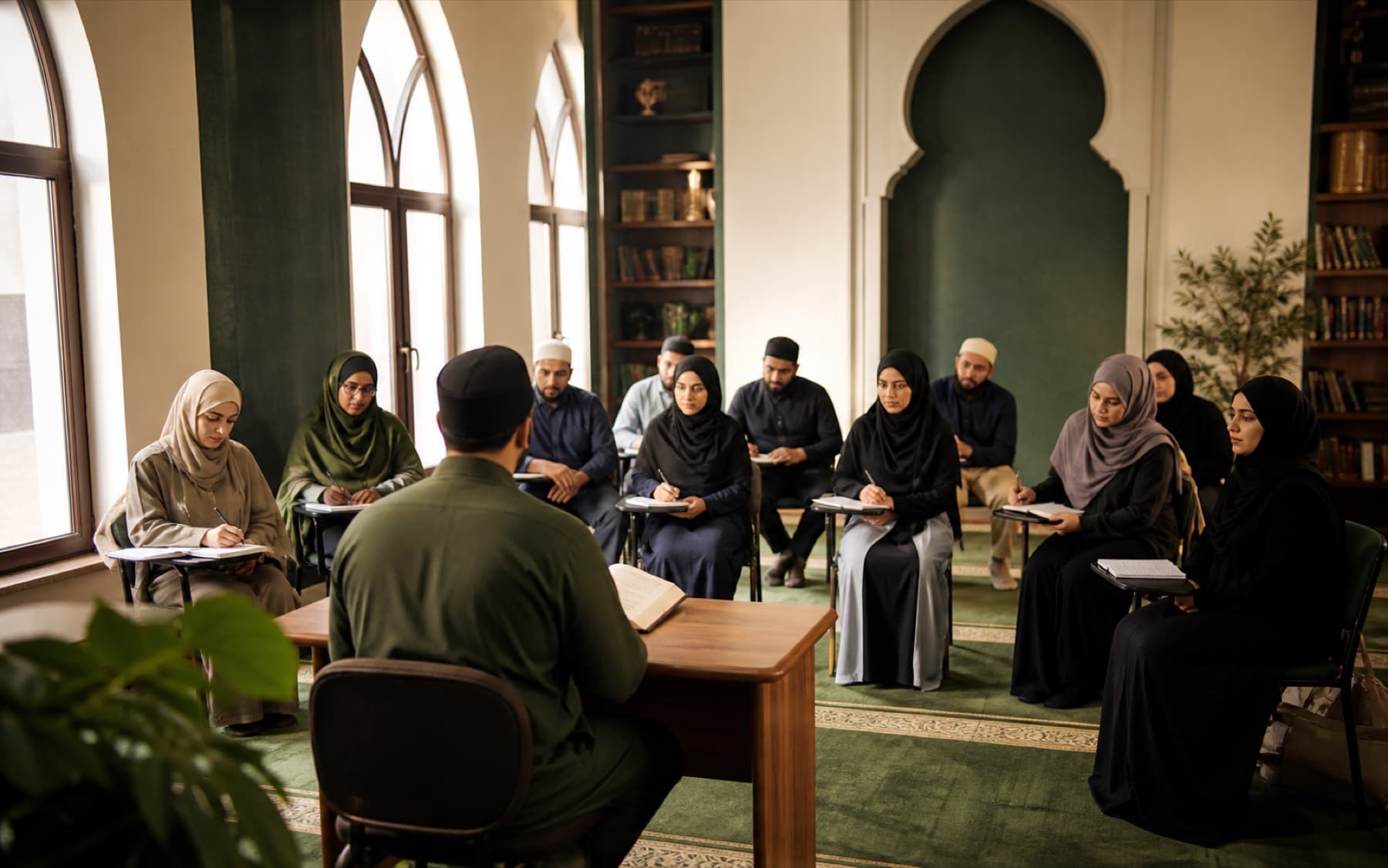
Contemporary Muslims often face a false choice: either treat tradition as frozen in the past or detach entirely from inherited moral frameworks. In reality, the Islamic scholarly tradition offers principles strong enough to remain rooted while still engaging new circumstances with intelligence. Questions about technology, public ethics, work culture, environmental responsibility, and social trust all require more than quick reactions. They require categories of thought, moral priorities, and disciplined reasoning. That is precisely where the Islamic tradition is most valuable. A serious Islamic response to modern challenges does not rely on slogans. It asks what preserves dignity, justice, trust, responsibility, and worship in changing conditions. This means scholarship must remain connected to real human conditions, and modern confidence must remain answerable to moral limits. When these two are brought together well, ancient wisdom does not feel old. It feels stable, humane, and surprisingly relevant.
Back to Articles
Islamic History
Islamic Perspectives on Modern Challenges
Islamic tradition does not become irrelevant when circumstances change. Its principles remain deeply useful when modern life is approached with scholarship and moral seriousness.
Professor Jamal Ibrahim10/16/202412 min read